Join our monthly newsletter list now and get 5 % off on your first order

Union - Gandhi, Teresa, Ambedkar, Godse, Bose, Mandela, Donald
Scheduled Classes & Tribes
Ramya
4 min read
My post content
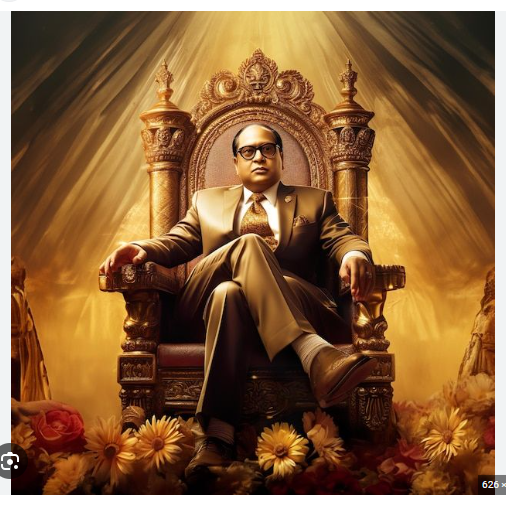










It was a historic agreement signed on September 24, 1932, in Yerwada Central Jail, Poona (now Pune), between Mahatma Gandhi and Dr. B.R. Ambedkar. It replaced the British Communal Award and resolved a life-threatening crisis triggered by Gandhi’s fast unto death.
Background: The Communal Award (August 16, 1932)
Issued by: British Prime Minister Ramsay MacDonald.
Key Provision for Depressed Classes (Dalits):
Separate Electorates: Dalits would vote only for Dalit candidates in reserved seats.
Double Vote: Dalits could also vote in general constituencies.
Gandhi’s Objection:
He saw this as dividing Hindus permanently.
Believed it would weaken the fight against untouchability by isolating Dalits politically.
Feared it would create a “permanent minority” mentality.
Gandhi: "Separate electorates would vivisect Hinduism."
Background: The Communal Award (August 16, 1932)
Issued by: British Prime Minister Ramsay MacDonald.
Key Provision for Depressed Classes (Dalits):
Separate Electorates: Dalits would vote only for Dalit candidates in reserved seats.
Double Vote: Dalits could also vote in general constituencies.
Gandhi’s Objection:
He saw this as dividing Hindus permanently.
Believed it would weaken the fight against untouchability by isolating Dalits politically.
Feared it would create a “permanent minority” mentality.
Gandhi: "Separate electorates would vivisect Hinduism."
Gandhi’s Fast Unto Death (September 20–26, 1932)
DateEventSept 20Gandhi begins fast unto death in Yerwada Jail, protesting separate electorates.Sept 21–23Nationwide panic; temples opened to Dalits, mass prayers, negotiations begin.Sept 24Poona Pact signed at 5:00 PM.Sept 26Gandhi breaks fast with orange juice given by Kasturba and Ambedkar.
Health: By Day 5, Gandhi was near death (pulse weak, kidneys failing).
Prison Conditions: Allowed visitors; jail became negotiation hub.
Key Negotiators
SideLeadersHindu (Caste Hindu)Madan Mohan Malaviya, Tej Bahadur Sapru, C. Rajagopalachari, G.D. BirlaDalitDr. B.R. Ambedkar, M.C. Rajah, P. BalooFacilitatorsBritish jail officials, A.V. Thakkar
Terms of the Poona Pact
ProvisionDetails1. Abolition of Separate ElectoratesDalits rejected separate voting; accepted joint electorates.2. Increased Reserved SeatsFrom 71 (in Communal Award) → 148 in provincial legislatures.3. Primary Election System- 4 Dalit candidates per reserved seat. - Only Dalit voters choose 4 via primary election. - These 4 then contest in general electorate.4. DurationReserved seats for 20 years (later extended).5. Representation in Central LegislatureProportionate reserved seats (18% of Hindu seats).6. Anti-Untouchability PledgeHindus promised to remove temple entry bans, water access restrictions.
Net Gain: Dalits got double the seats but lost separate political identity.
Text of the Poona Pact (Summary)
"There shall be reservations for Depressed Classes in provincial legislatures... out of general electorate seats... The system of primary election... shall be in force for 20 years..." — Signed: M.K. Gandhi, B.R. Ambedkar, M.M. Malaviya, et al.
Ambedkar’s Reluctant Acceptance
Initial Stance: Ambedkar favored separate electorates for political power.
Pressure:
Gandhi’s life at stake.
Hindu leaders’ temple-opening promises.
Fear of mass Dalit backlash if Gandhi died.
Ambedkar’s Statement:
"I have to speak for 60 million untouchables... I signed to save Gandhi’s life, not because I agreed."
Immediate Outcomes
ImpactDetailsTemple EntryOver 400 temples opened to Dalits in weeks.Harijan Sevak SanghFounded by Gandhi to fight untouchability.Political ShiftDalits gained more seats but under Hindu majority vote.Gandhi’s HealthRecovered slowly; fast lasted 6 days.
Long-Term Consequences
PositiveNegativeAccelerated temple entry movements (e.g., Vaikom, Guruvayur).Dalits lost independent political voice.Forced Congress to address untouchability.Ambedkar later called it a “betrayal” of Dalit interests.Increased Dalit MLAs post-1937 elections.Reservations became permanent (not 20 years).
Gandhi vs. Ambedkar: Core Difference
IssueGandhiAmbedkarUntouchabilityMoral/religious sin; reform from within HinduismStructural oppression; needs political powerSolutionSelf-purification, temple entrySeparate electorates, annihilation of casteFastingTool of moral pressure“Blackmail” (Ambedkar’s term)
Gandhi’s Post-Pact Actions
21-Day Fast (May 8–29, 1933): For self-purification and anti-untouchability.
Harijan Weekly: Launched to educate against caste.
Harijan Tours: Traveled India to open wells, temples.
Legacy of Poona Pact
Constitutional Impact: Shaped Article 330–332 (reservations in Parliament).
Political Reality: Dalit politics remained within Hindu fold until rise of BSP.
Ambedkar’s Revenge: In 1956, he converted to Buddhism with lakhs of followers, rejecting Hinduism.
Summary Table: Communal Award vs. Poona Pact
FeatureCommunal Award (1932)Poona Pact (1932)ElectorateSeparate for DalitsJoint with HindusSeats (Provincial)71148Voting PowerDouble votePrimary + generalDurationPermanent20 years (later extended)Dalit AutonomyHighLow
Final Quote (Gandhi, Sept 26, 1932):
"This is a pact between two sufferers... Let us now remove untouchability from our hearts."
The Poona Pact saved Gandhi’s life, doubled Dalit representation, but delayed political independence for Dalits — a compromise that shaped India’s caste politics for decades.